

"We believe in living from the land an with the land, and in the love that connects bountiful Nature to people, and a grateful people to Nature. Please enjoy everything good with us."
The name of the company, Le Corti dei Farfensi, as well as the company logo, derives its origin from the deep and intimate imprint left by the Farfensi Benedictine monks in the territory.
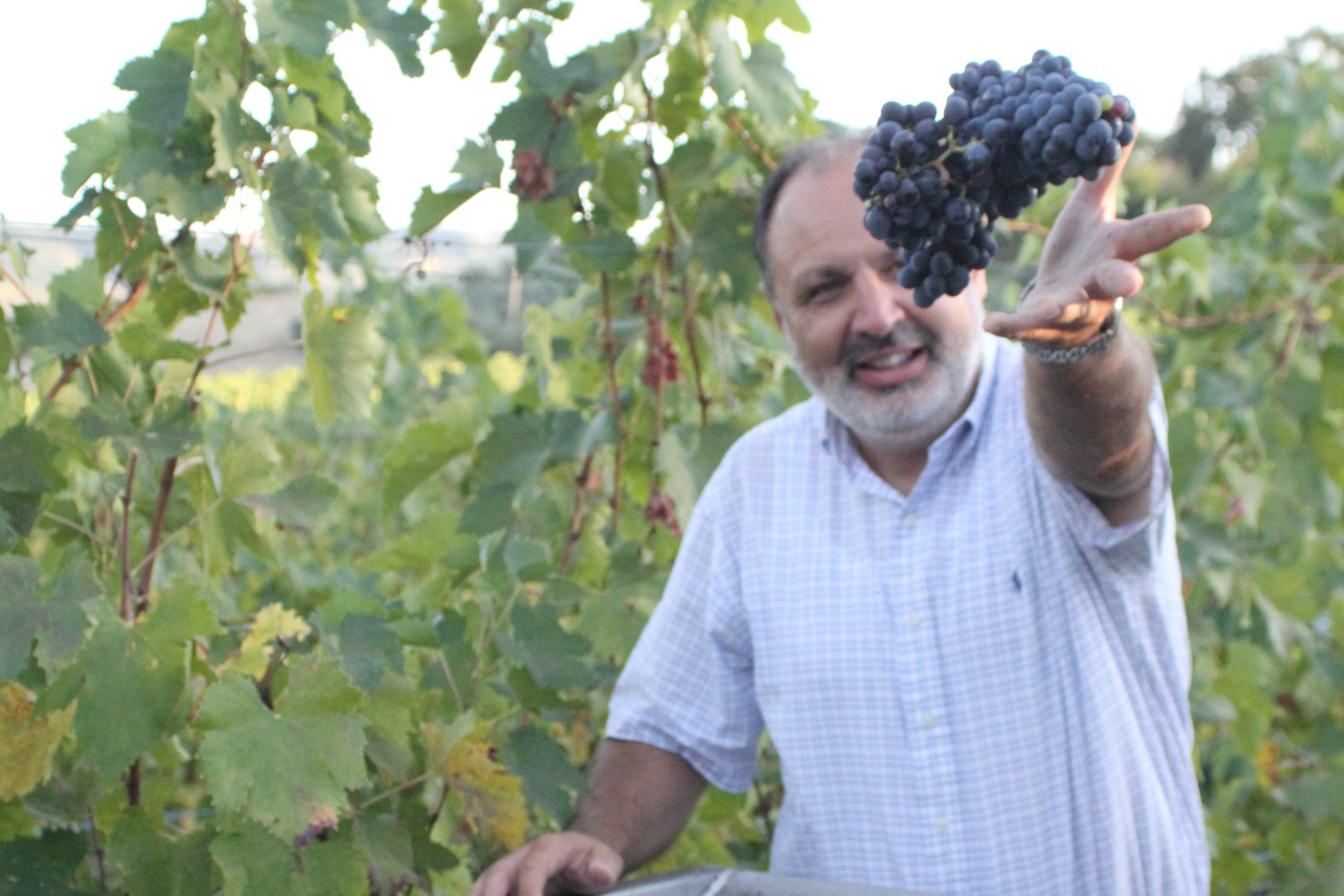
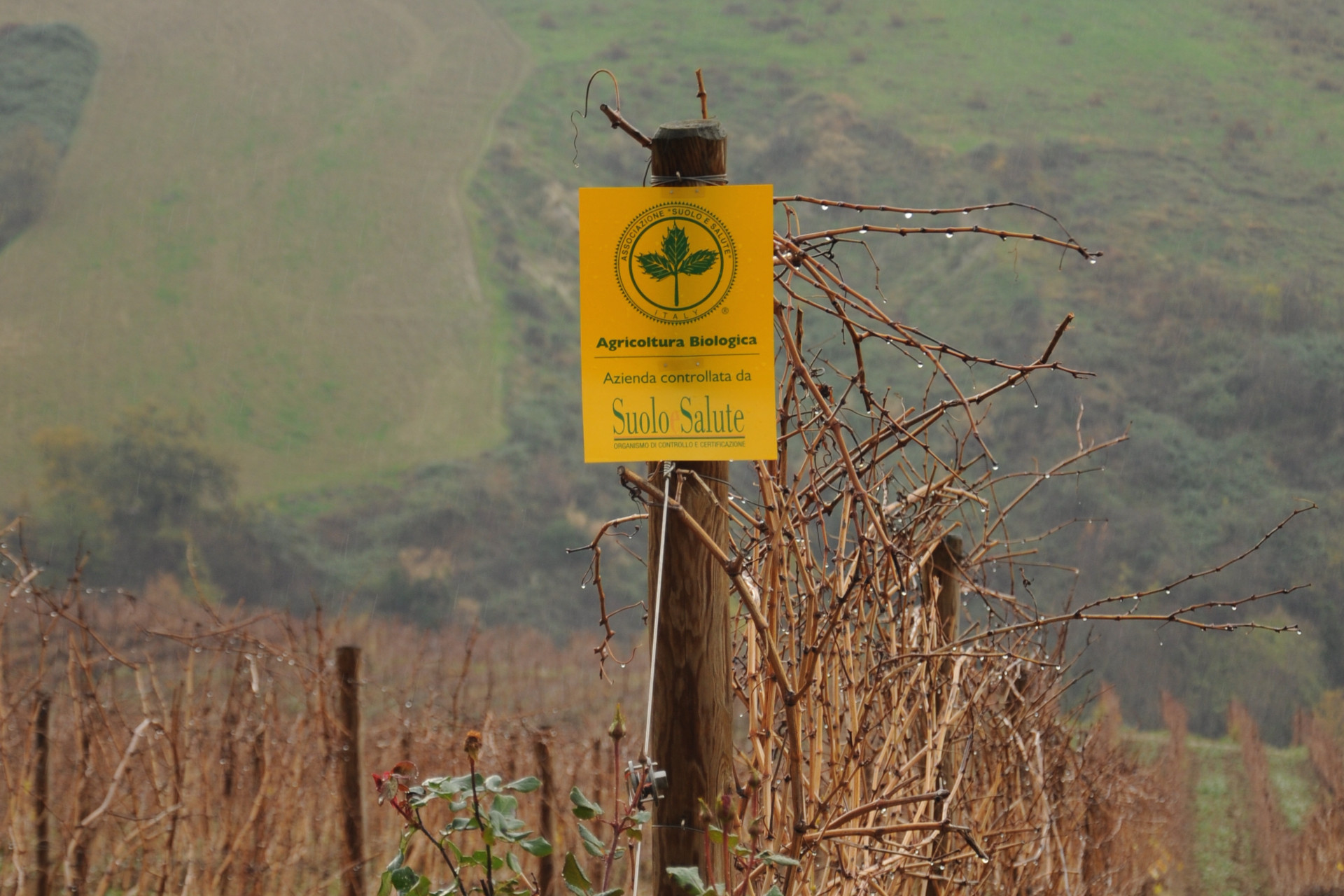
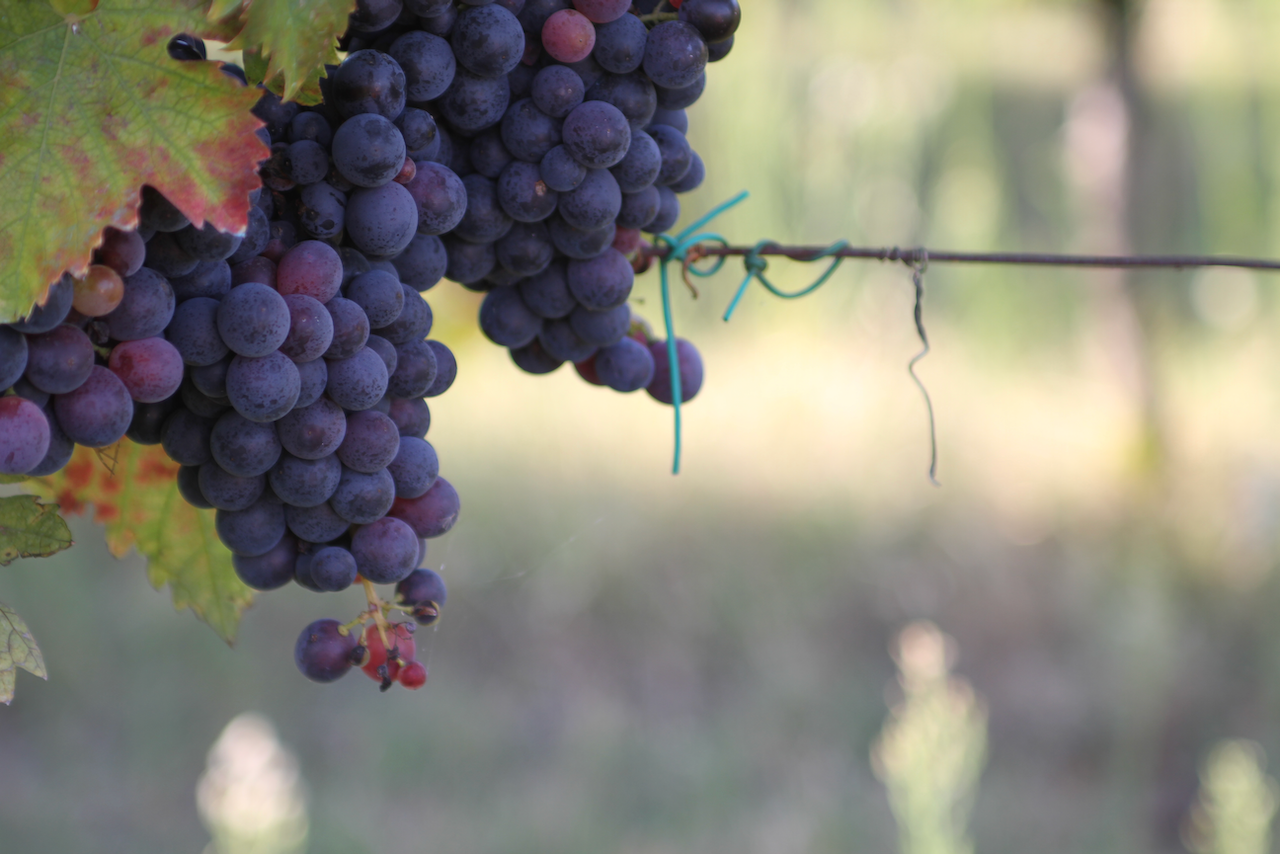
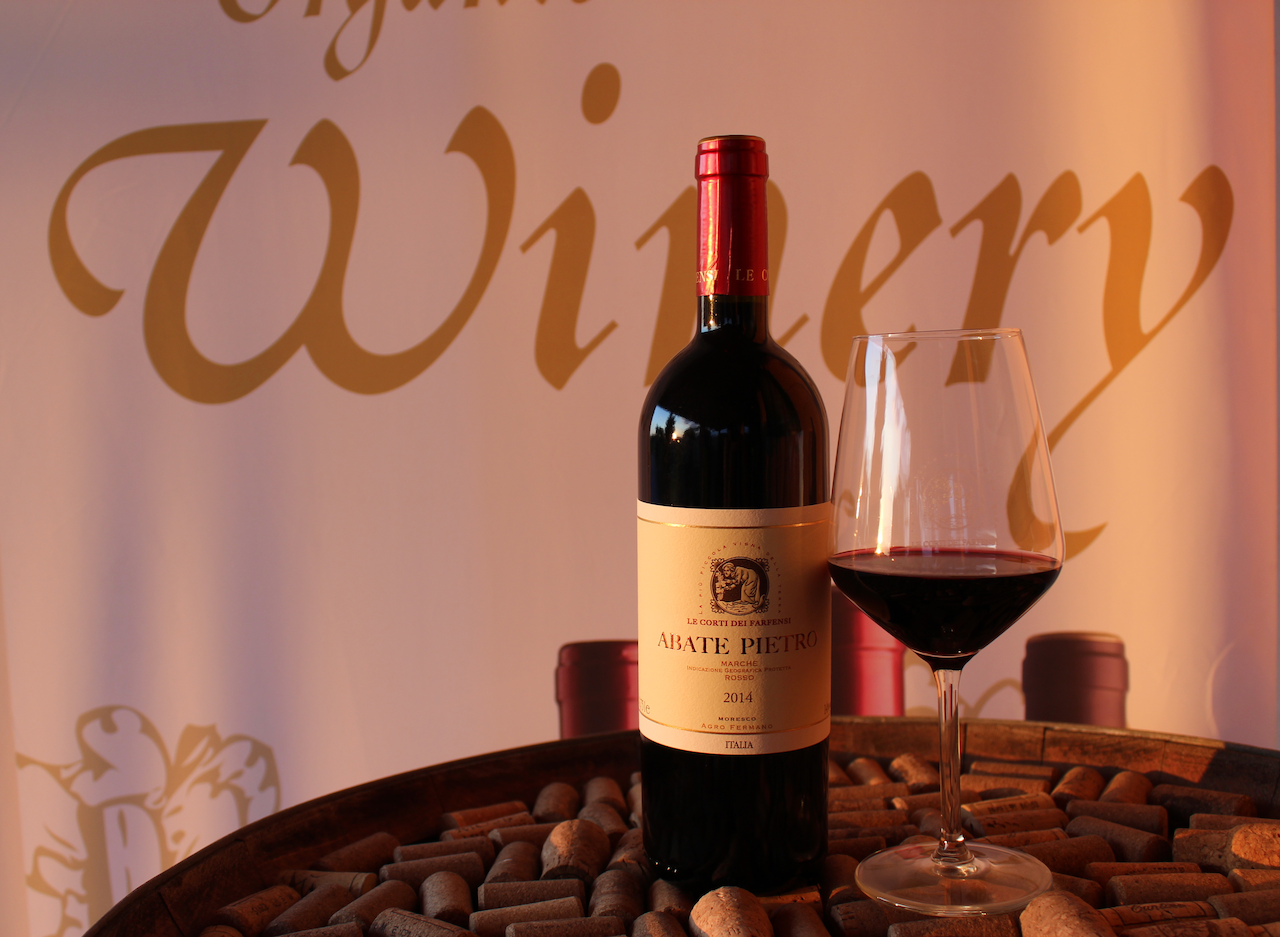
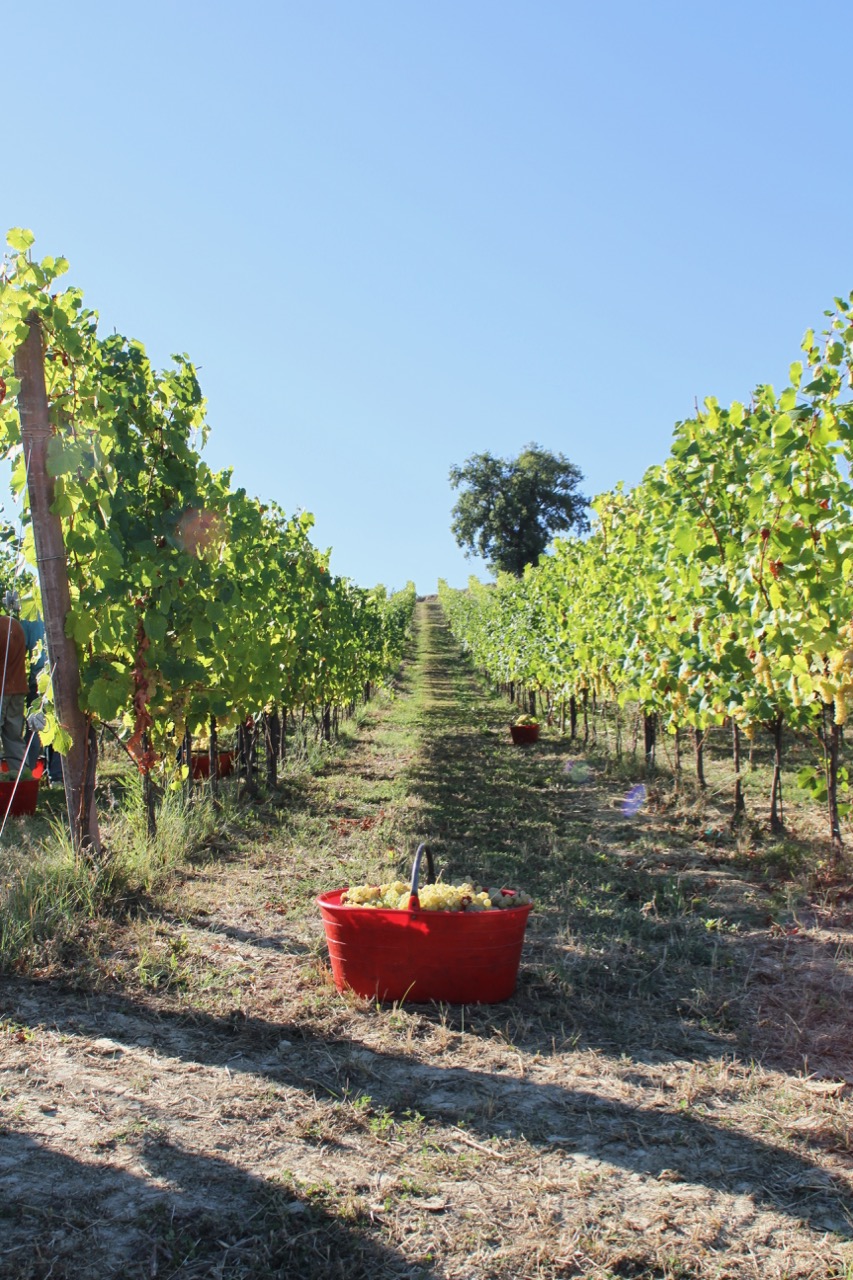
The company was founded in 1998 from a joint project of Marco Cavalieri, an agronomist and international wine consultant, and his wife Antonella, who decided to fully rediscover the winemaking tradition of the area, giving it new life. The company has always followed the strictest organic farming methods and the cultivated varieties derive their presence from the desire to reproduce in the vineyard the ancient distribution of the historic varieties of the area (Sangiovese, Montepulciano, Pecorino...), reinterpreting a knowledge consolidated by centuries of experience. Le Corti dei Farfensi today want to offer everyone the opportunity to taste a centuries-old story in every bottle of wine and to be surrounded by a tradition that has never been lost, which exudes incredible aromas and which caresses the palate with delicacy and harmony, making its way in the soul with every sip while delivering its ancient wisdom always loved and now rediscovered.
With the same attention and passion, Le Corti dei Farfensi also produces extra virgin olive oil (EVOO) according to unique techniques that are linked to the profound knowledge that the Farfensi monks had of nature and human health. This tecniques and thier results have obtained international recognitions such as those given by members of the Departments of Medicine, Physiology and Psychiatry at the David Geffen School of Medicine at UCLA, G. Oppenheimer Center for Neurobiology of Stress and Resilience, and the Goodman-Luskin Microbiome Center at UCLA in Los Angeles.
History in every bottle...tradition is the real innovation
The company was founded in 1998 from a joint project of Marco Cavalieri, an agronomist and international wine consultant, and his wife Antonella, who decided to fully rediscover the winemaking tradition of the area, giving it new life. The company has always followed the strictest organic farming methods and the cultivated varieties derive their presence from the desire to reproduce in the vineyard the ancient distribution of the historic varieties of the area (Sangiovese, Montepulciano, Pecorino...), reinterpreting a knowledge consolidated by centuries of experience. Le Corti dei Farfensi today want to offer everyone the opportunity to taste a centuries-old story in every bottle of wine and to be surrounded by a tradition that has never been lost, which exudes incredible aromas and which caresses the palate with delicacy and harmony, making its way in the soul with every sip while delivering its ancient wisdom always loved and now rediscovered.
With the same attention and passion, Le Corti dei Farfensi also produces extra virgin olive oil (EVOO) according to unique techniques that are linked to the profound knowledge that the Farfensi monks had of nature and human health. This tecniques and thier results have obtained international recognitions such as those given by members of the Departments of Medicine, Physiology and Psychiatry at the David Geffen School of Medicine at UCLA, G. Oppenheimer Center for Neurobiology of Stress and Resilience, and the Goodman-Luskin Microbiome Center at UCLA in Los Angeles.
History in every bottle...tradition is the real innovation

More on the history of the monks and our territory...
In 890 AD. Benedictine monks and some families linked to the Farfa Abbey settled in the south of the Marches, after the occupation of their original monastery in Sabina (Latium) by the Saracens. The presence of the Farfensi monks had its central nucleus in the territory between the valleys of the river Aso and the river Tenna, but the influence of this order extended over a vast territory between the provinces of Ascoli, Fermo and Macerata, where for a couple of centuries the Farfensi established a real administrative and economic domination. The French historian Georges Duby describes this period as "the birth of modern viticulture," and the Farfensi monks as protagonists of winemaking excellence. In fact, the merit for the development of modern viticulture and "winemaking" processes (such as storing wine in wooden barrels at a certain temperature) goes entirely to the practices and traditions developed by the Benedictine monks. It is no coincidence that the terminology used today in the language of wine exudes monastic terms (Clos, Châteauneuf-du-Pape, etc.).
The presence of the monks was decisive for the development of vine cultivation throughout the area, and specifically in Moresco. The monks taught their agronomic and winemaking techniques to local farmers, creating a collaboration with them that was destined to last for centuries. When in 1356 the garrison of the monks in the area was abolished by the Constitutions of Cardinal Albornoz, the local farmers of Moresco continued to keep alive the teachings of the monks, handing them down from generation to generation and giving life to a real winemaking tradition. This tradition is documented by Cinquecentine jealously guarded in the town hall of Moresco which incredibily attest that in the past to describe the boundaries between the various land properties, the presence of vineyards was frequently given as a toponymic reference: "the property extends from the vineyard of… to the vineyard of..".
In 890 AD. Benedictine monks and some families linked to the Farfa Abbey settled in the south of the Marches, after the occupation of their original monastery in Sabina (Latium) by the Saracens. The presence of the Farfensi monks had its central nucleus in the territory between the valleys of the river Aso and the river Tenna, but the influence of this order extended over a vast territory between the provinces of Ascoli, Fermo and Macerata, where for a couple of centuries the Farfensi established a real administrative and economic domination. The French historian Georges Duby describes this period as "the birth of modern viticulture," and the Farfensi monks as protagonists of winemaking excellence. In fact, the merit for the development of modern viticulture and "winemaking" processes (such as storing wine in wooden barrels at a certain temperature) goes entirely to the practices and traditions developed by the Benedictine monks. It is no coincidence that the terminology used today in the language of wine exudes monastic terms (Clos, Châteauneuf-du-Pape, etc.).
The presence of the monks was decisive for the development of vine cultivation throughout the area, and specifically in Moresco. The monks taught their agronomic and winemaking techniques to local farmers, creating a collaboration with them that was destined to last for centuries. When in 1356 the garrison of the monks in the area was abolished by the Constitutions of Cardinal Albornoz, the local farmers of Moresco continued to keep alive the teachings of the monks, handing them down from generation to generation and giving life to a real winemaking tradition. This tradition is documented by Cinquecentine jealously guarded in the town hall of Moresco which incredibily attest that in the past to describe the boundaries between the various land properties, the presence of vineyards was frequently given as a toponymic reference: "the property extends from the vineyard of… to the vineyard of..".